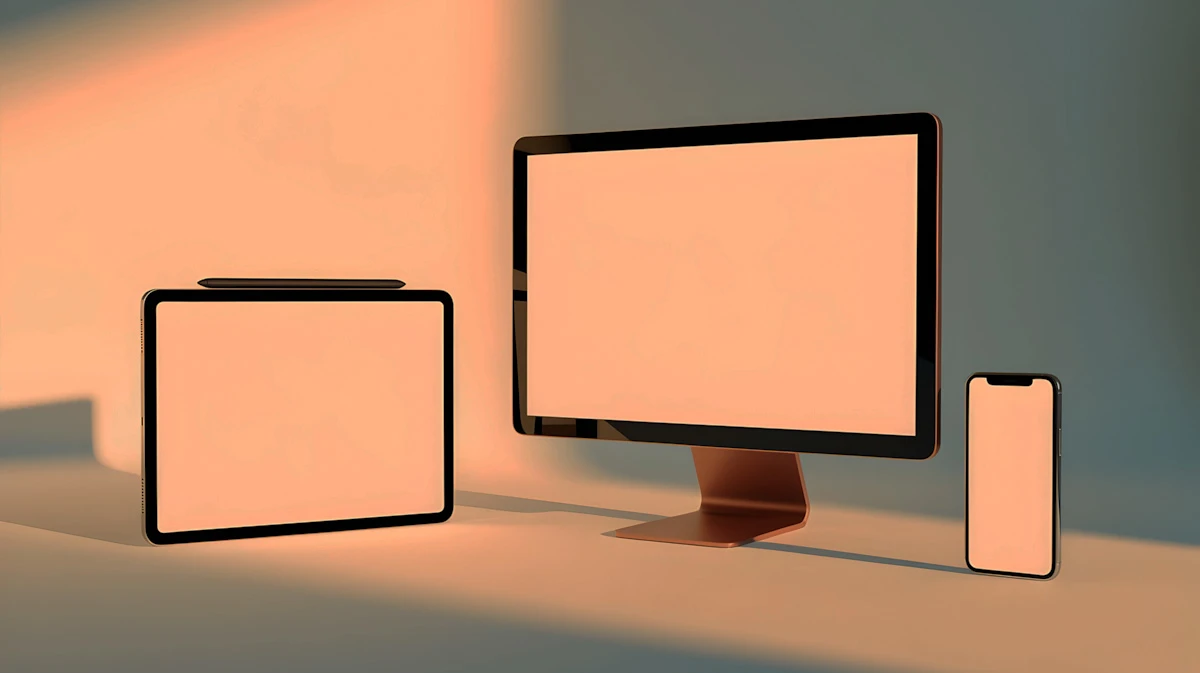
Modern digital products succeed when their interfaces are simple and intuitive. Instead of overwhelming users with complexity, good interface design focuses on clarity, structure, and ease of interaction.
Designing for the future means creating systems that remain usable across different devices and technologies. Thoughtful layouts and responsive design help users navigate digital products naturally.
“The best interface is almost invisible to the user.” — Alan Cooper
Design Principles for Modern Interfaces
Creating effective digital interfaces requires attention to both usability and aesthetics. Thoughtful design helps ensure that products remain functional and engaging even as technology continues to change.
Clear Navigation: Menus and layouts should be easy to understand so users can move through content without confusion.
Visual Hierarchy: Typography, spacing, and contrast help guide attention toward important information.
Responsive Interactions: Interfaces should adapt smoothly across mobile, tablet, and desktop devices.
Summary article
Building Digital Experiences That Last
Designing future-ready interfaces requires balancing creativity with practicality. While trends may change over time, the core principles of clarity, usability, and responsiveness remain essential to creating successful digital products.
Rather than adding unnecessary complexity, thoughtful design simplifies interactions and removes friction wherever possible.
User-Centered Layouts: Interfaces designed around real user behavior and needs
Consistent Design Systems: Reusable patterns that create visual and functional harmony
Performance-Aware Design: Interfaces optimized for speed and accessibility
In the long term, the most successful digital products are not the most visually complex ones.