calendar_today
March 30, 2026
Edge Computing and the Future of Data

Edge Computing and the Future of Data

Edge computing processes data closer to where it is created rather than relying solely on centralized servers. This approach reduces latency and improves system responsiveness.

As more connected devices appear, edge computing becomes increasingly important for real-time applications.

“Processing data closer to the source unlocks new possibilities.”

— Satya Nadella
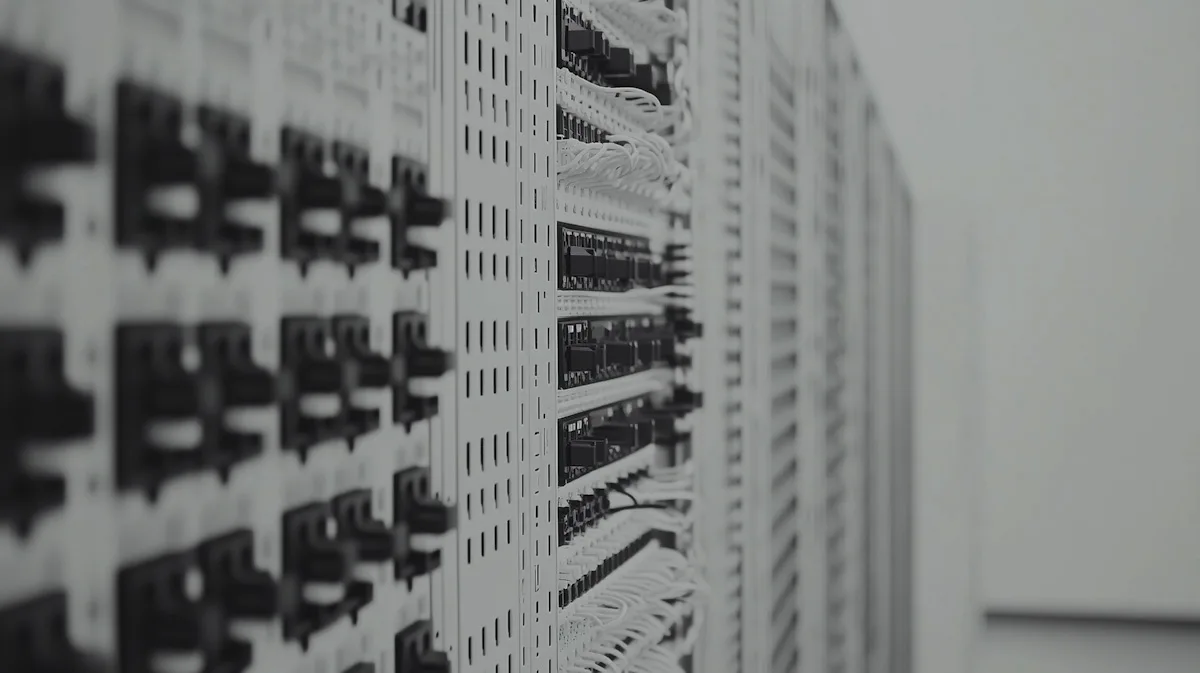
Advantages of Edge Infrastructure

Edge computing processes data closer to where it is generated. This approach improves performance and reduces delays.

  1. Reduced Latency: Processing data locally reduces the time required to deliver results. This makes applications faster and more responsive.
  2. Improved Reliability: Distributed systems can continue functioning even if central servers fail. This makes edge infrastructure more resilient.
  3. Real-Time Processing: Edge systems allow immediate analysis of large data streams. This is important for technologies like IoT and smart devices.
Summary article

Bringing Data Closer to Users

Edge computing represents a major shift in how modern digital systems process and manage information. By decentralizing data processing, organizations can build faster and more reliable applications.

  • Faster Response Times: Reduced latency for real-time applications
  • Greater System Reliability: Distributed processing improves resilience
  • Scalable Data Processing: Efficient handling of large data volumes

Edge computing allows technology to respond instantly, opening the door to new possibilities in automation, artificial intelligence, and connected systems.